
Club History
Club History
The story of Humber Fortress DX Amateur Radio Club, from Fort Paull in 2010 to The Millhouse, Patrington, and the modern contesting era.
How It All Started
FOUNDING – “IT ALL STARTED WITH A PINT” (2010)
The Humber Fortress DX Amateur Radio Club (HFDXARC) was founded in 2010 in one of the most memorable and unconventional ways possible — over a pint inside the Duke of York bar at Fort Paull. During the special event station GB0FP, four amateurs — Andy Nielsen (G7LRR), Simon Hewick (2E0HDX), Simon Coombs (2E0GMW), and Jason Gower (M0MGF) — were casually discussing the idea of forming a new amateur radio club focused on contesting and events.
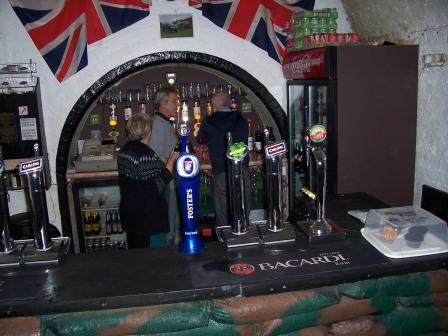
A barman, Phil Rochester, overheard their conversation and said: “Are you looking for somewhere? Come with me.” He led them through the fort into an old, mouldy three-room building that had not been touched in years.
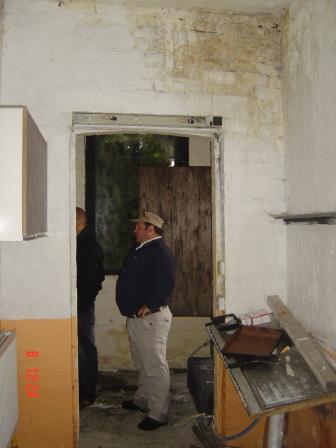
Jason simply said: “We’ll have it. How much?” That moment became the official birth of HFDXARC.
FOUNDERS & EARLY CONTRIBUTORS
Founding Members (2010):
Andy Nielsen – G7LRR
Jason Gower – M0MGF
Simon Hewick – 2E0HDX
Bob Lane – M0RWL
Simon Coombs – 2E0GMW
How the Club Got Its Name
The name Humber Fortress DX Amateur Radio Club came directly from the club’s birthplace — Fort Paull, a historic fortress overlooking the Humber estuary.
Meaning Behind the Name
Humber – represents the region and the estuary.
Fortress – honours Fort Paull, where the club started.
DX – reflects the club’s focus on long-distance operating and contesting.
Amateur Radio Club – formalises its purpose and identity.
The Club’s Logo
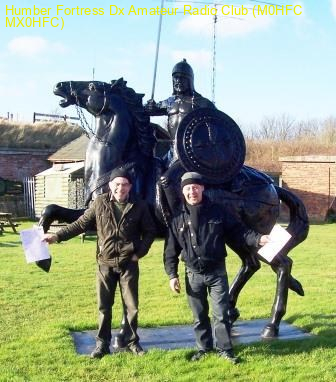
The club logo came from an exhibit in the grounds of Fort Paull — a knight on horseback.
The image captured the spirit of the fortress and has been used as the club’s emblem ever since.
The Club Callsign
M0HFC was chosen in the same spirit:
HFC — Humber Fortress Club.
A simple, direct link to the club’s origins.
The Club Slogan
The early slogan was:
“We are the voice of the Humber Estuary.”
This reflected the fort’s position on the banks of the Humber and was proudly used at many events held at Fort Paull.
Why the Name Never Changed
Even after relocating to the Millhouse site, the name stayed the same because:
it reflects the club’s heritage at Fort Paull,
it became nationally recognised through contests and events,
and the DX-driven ethos of the club never changed.
The name remains a constant reminder of where the club started — and what it stands for.
Key Contributors — RSGB Affiliation (2011)
Two members were instrumental in securing the club’s RSGB affiliation during its founding year:
John Cunliffe – G6LNV
Bob Lane – M0RWL
Their combined efforts ensured that the newly formed Humber Fortress DX Amateur Radio Club received immediate recognition from the national governing body of amateur radio in the UK.
What They Did
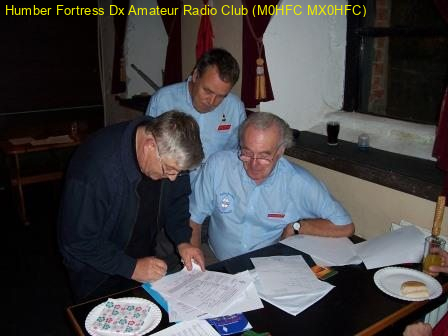
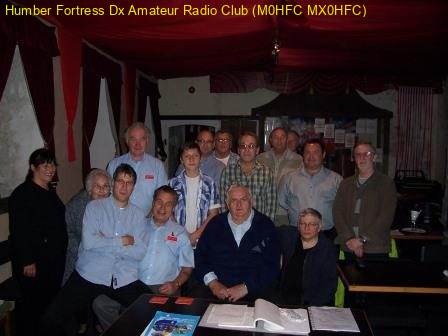
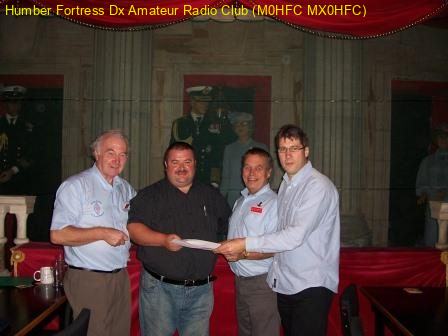
John and Bob worked together on preparing and submitting the required paperwork, ensuring the club constitution met RSGB standards, liaising with RSGB representatives, establishing the club’s compliance with membership criteria, and guiding the club through the formal approval process. Their dedication, attention to detail, and early leadership meant that HFDXARC achieved full RSGB affiliation in 2010, the same year it was founded.
Why This Was Important
RSGB affiliation provided official status and credibility, access to national support and resources, recognition within the wider amateur radio community, improved standing for public events and demonstrations, and a solid foundation for long-term development. Because of John and Bob, the club began its life not just as a group of keen amateurs — but as a fully recognised, properly affiliated amateur radio society. This achievement remains one of the most important milestones in HFDXARC’s early history.
THE DUKE OF YORK BAR – THE SPIRITUAL BEGINNING
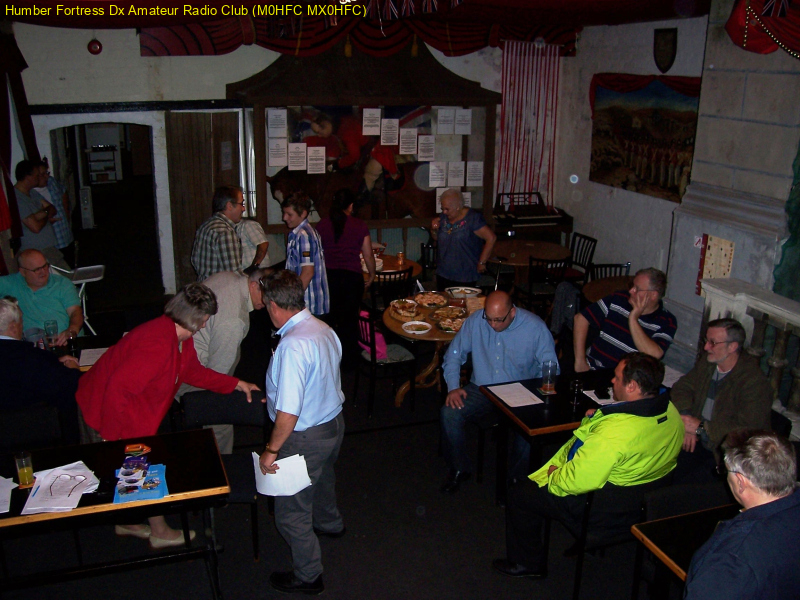
The Duke of York bar at Fort Paull became far more than just the location where HFDXARC was conceived — it evolved into the club’s first true meeting place and the spiritual heart of its early years. Long before the club had benches, radios, or even a working shack, the bar was where everything began: early planning meetings, discussions about equipment and events, organising weekend activities, welcoming new members, and debating ideas for the future.
It was a relaxed, social environment where the founders could think, plan, and dream. Over pints and conversation, the club’s identity began to take shape. The friendships that formed there became the backbone of the group, and many of the club’s earliest decisions — from events to engineering projects — were made sitting around those tables. The Duke of York wasn’t just the scene of the club’s founding moment; it was the warm, lively gathering place where HFDXARC’s spirit, teamwork, and camaraderie were born.
DISCOVERING THE CLUBROOMS
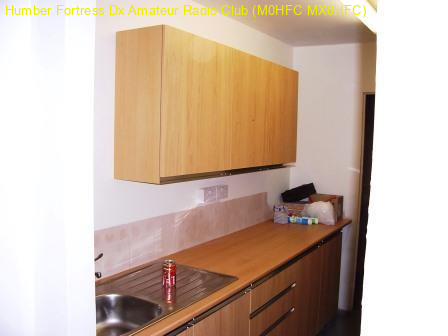
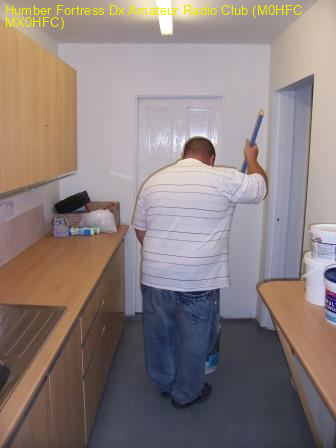
The founders saw potential in the neglected rooms and began cleaning, building free-standing benches, installing temporary cable routes, and creating operating positions. This was the beginning of HFDXARC’s hands-on engineering identity.
BUILDING ON A PROTECTED MONUMENT
Fort Paull was a listed military monument. Rules included: no drilling, no screws or bolts, no permanent fixtures, and no attachments to walls, ceilings, or floors. Everything the club installed had to be free-standing, self-supporting, and fully removable.
SELF-SUPPORTING SHACK ENGINEERING
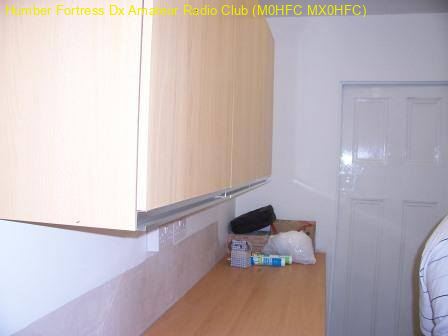
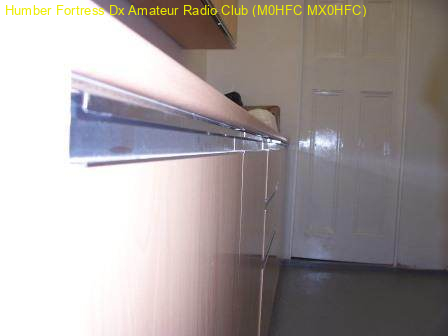
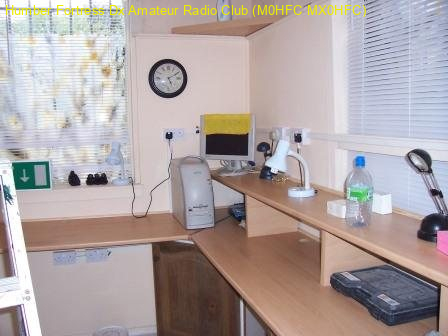
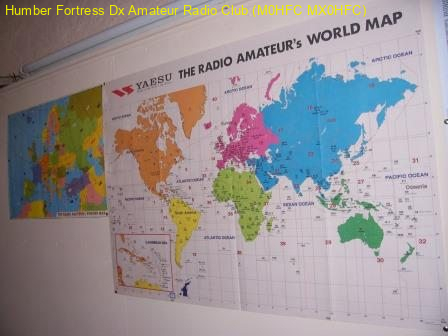
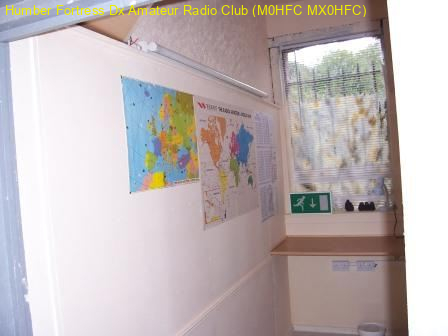
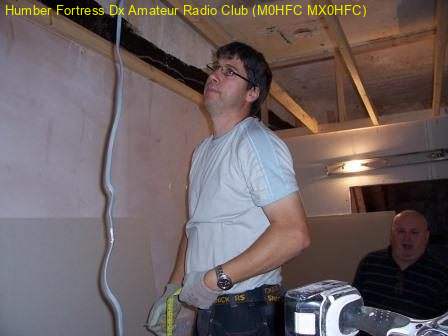
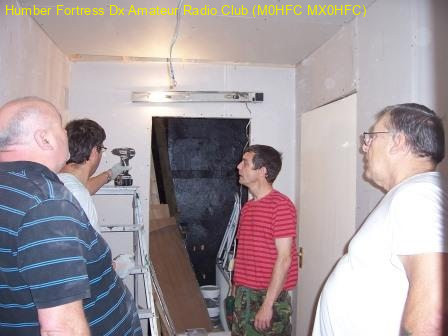
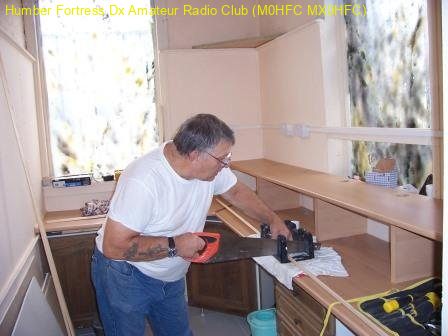
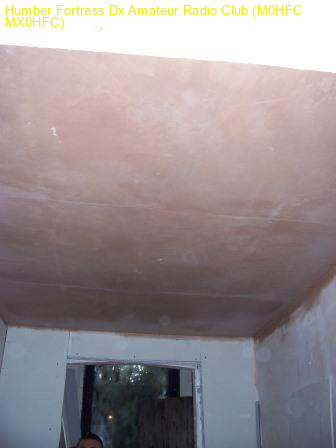
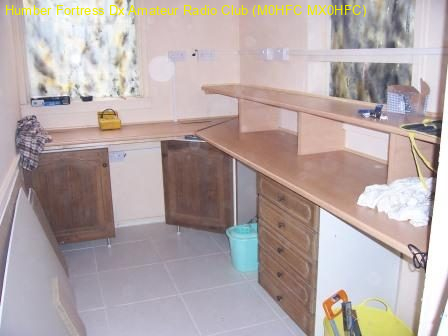
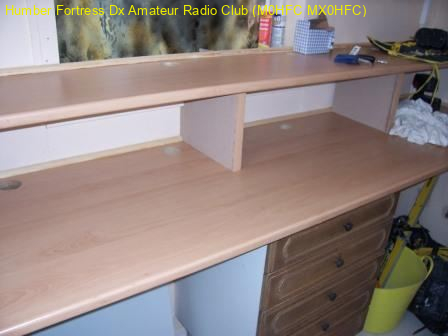
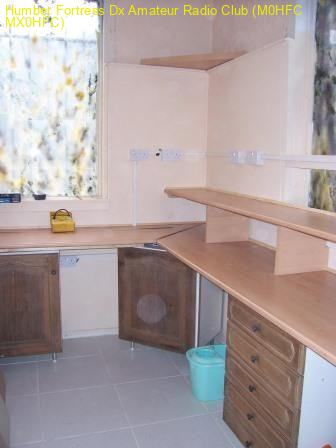
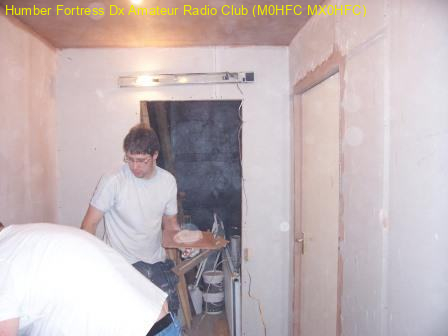
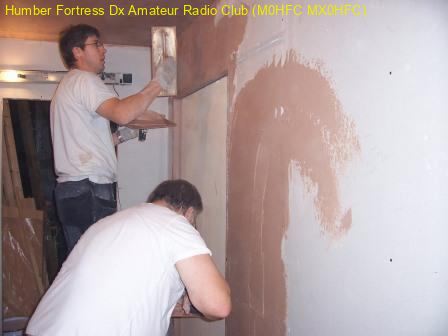
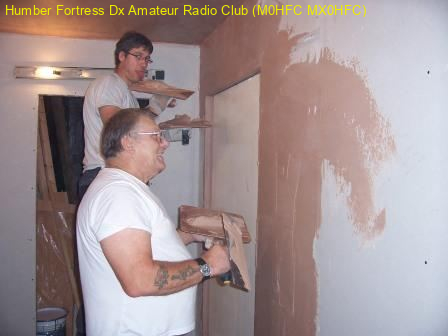
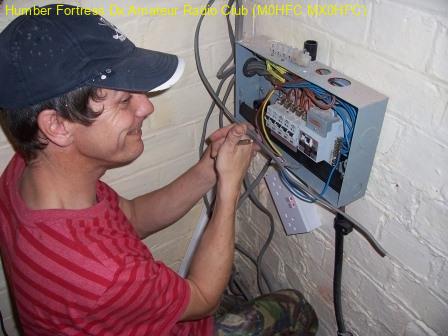
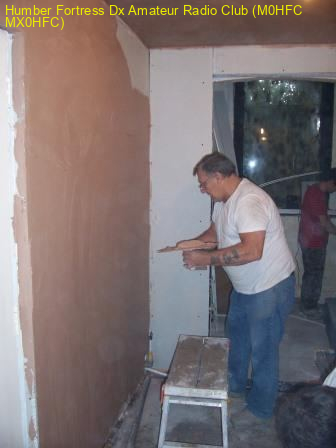
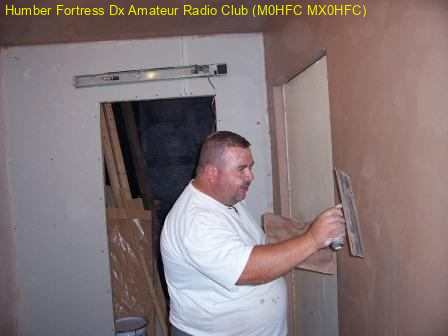
The club engineered movable benches, non-invasive coax frames, free-standing cable risers, and weighted equipment racks — creating a full HF shack built like a stage set, but strong enough for contesting.
EARLY ENGINEERING PROJECTS
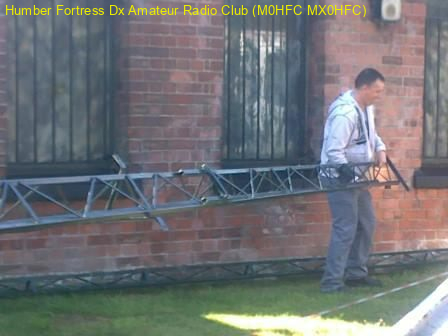
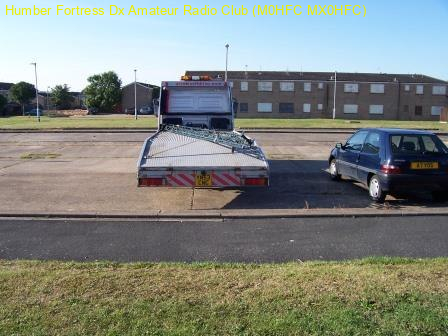
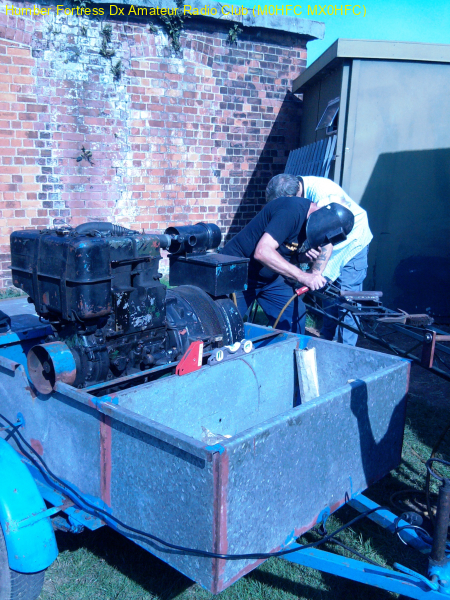
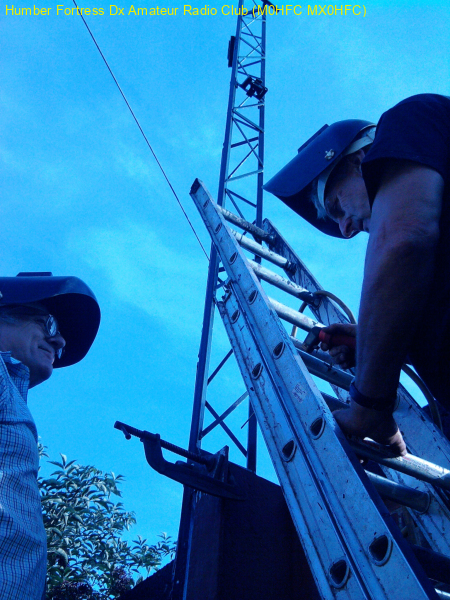
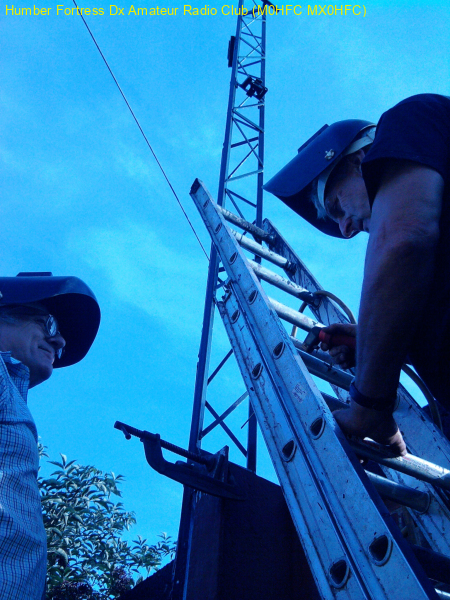
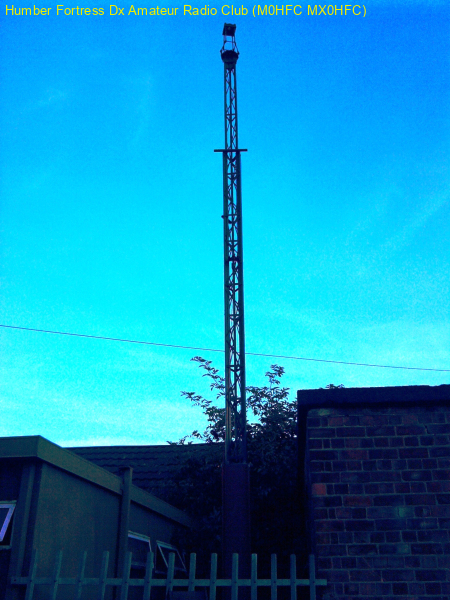
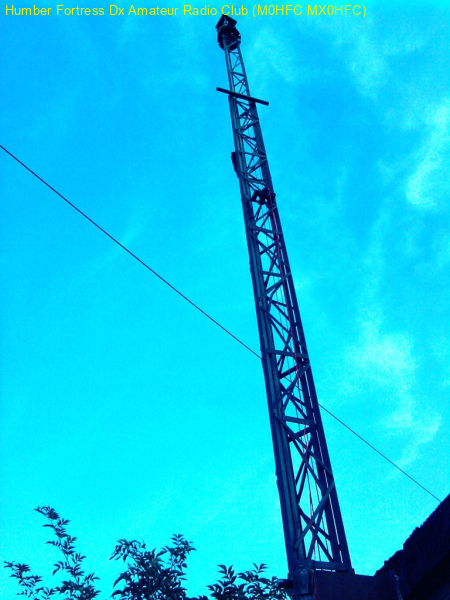
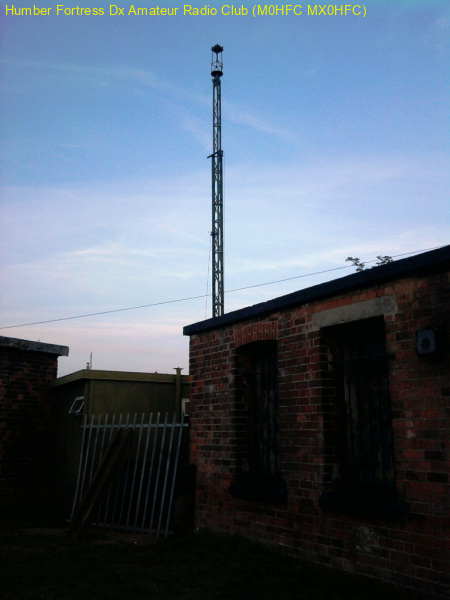
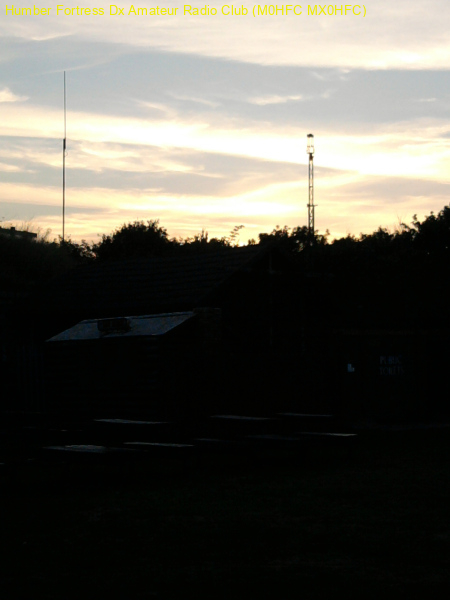
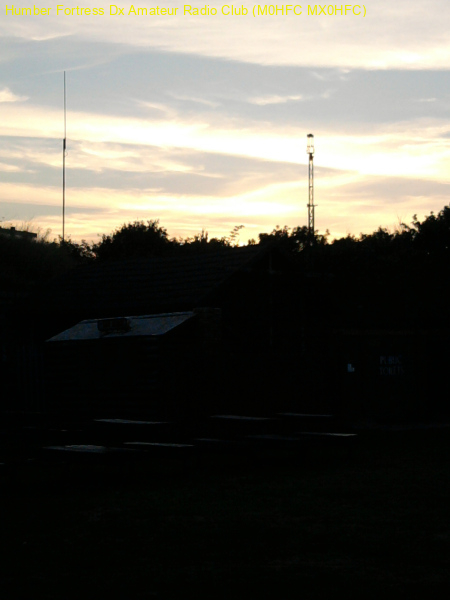
The First Tower – Built by Andy G7LRR
A fully free-standing, self-supporting HF tower designed specifically to comply with monument rules.
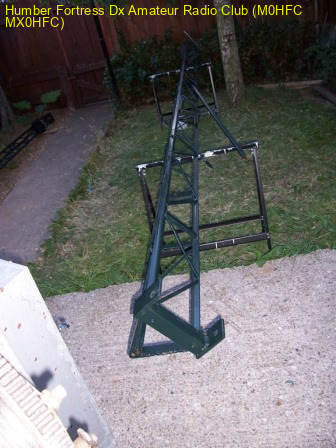
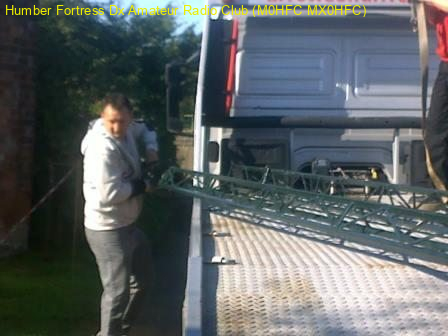
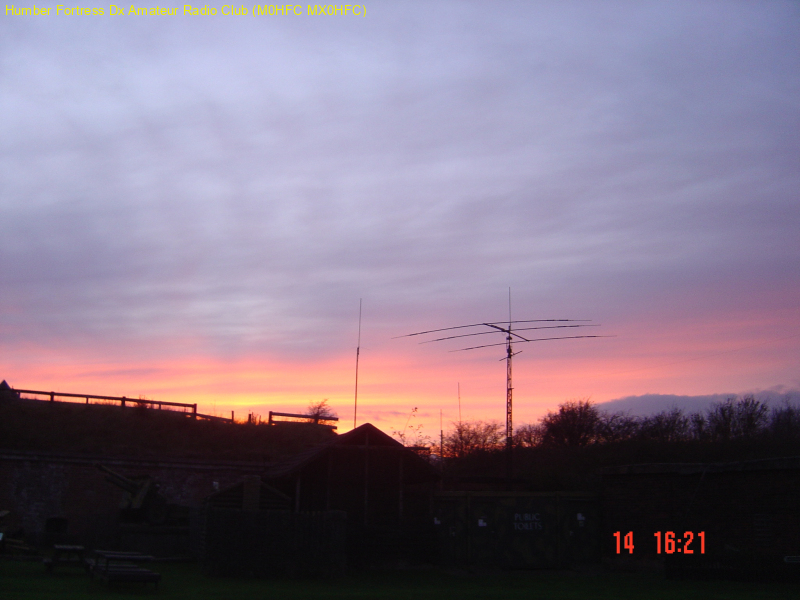
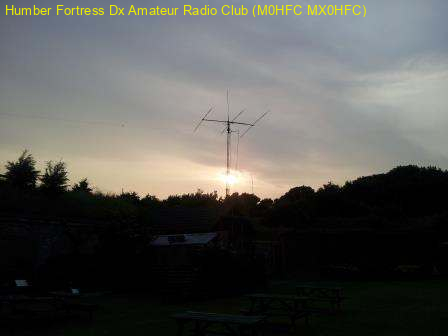
The First HF Beam – Donated by Nick G0SDI
A Hy-Gain TH3 tri-band beam that provided the club’s first true directional HF capability.
THE FIRST HF RADIOS
The club’s first HF radio was a Yaesu FT-2000, donated by Dennis G1EYY. He was made the club’s first Honorary Member in recognition of his generosity. The FT-2000 enabled the club’s first HF contacts, public demonstrations, and early training.
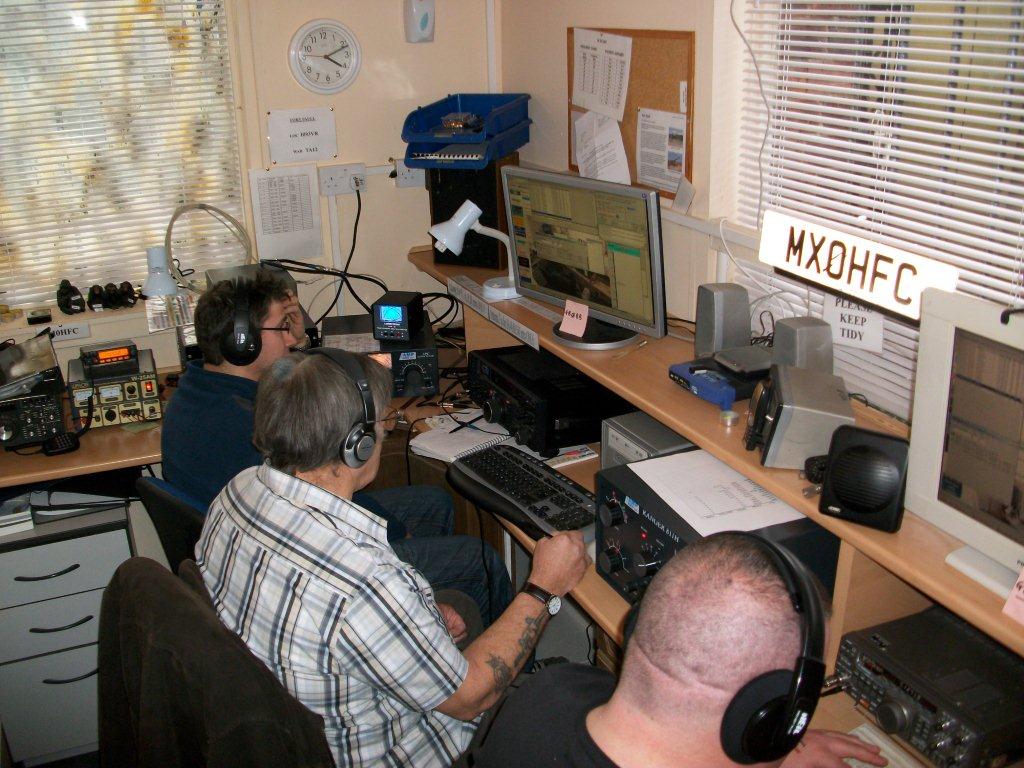
The second main HF radio was the Kenwood TS-440, known as “The Training Workhorse.” It was used by an estimated 90% of all members learning HF and became the core training radio for the club.
THE EVOLUTION OF THE MOBILE SHACKS (2011–2020)
From the very early years of HFDXARC, mobile shacks played a vital role in the club’s outdoor events, special activations, and portable operations. Long before the modern contest infrastructure at Patrington Mill, the club relied on a progression of three key units — each one marking a step forward in capability, comfort, and engineering.
This is the full story of that evolution.
1. The First Caravan – The Original Mobile Shack (2011)
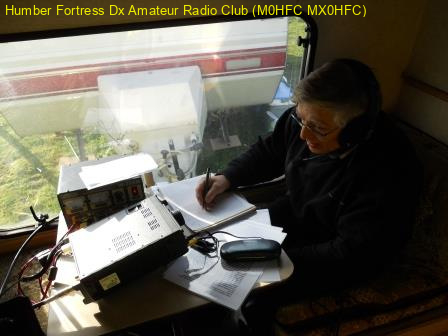
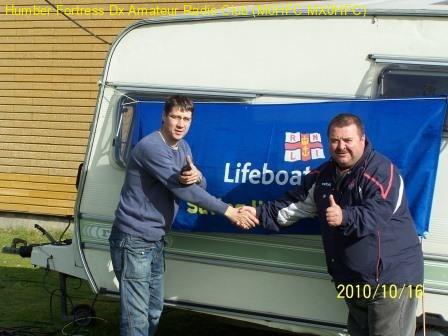
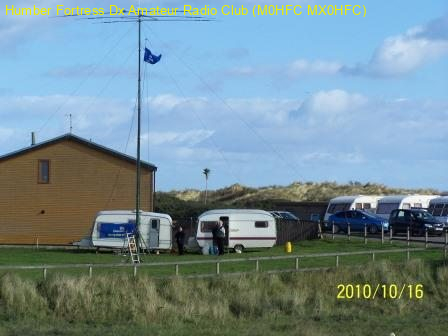
The very first mobile shack in HFDXARC history was the club caravan, introduced in 2011. Its first major outing was at Spurn Point, where it supported lighthouse and lifeboat operations during some of the club’s earliest large-scale outdoor events.
At a time when the club had limited equipment and no permanent facilities, the caravan became an essential base of operations. At Spurn Point it served as:
a warm and dry operating position
a place to store radios, laptops, and logging equipment
a shelter from the harsh winds coming off the North Sea
an overnight base when needed
a comfortable hub for members during multi-day activations
The caravan was the club’s first true portable shack, and it played a major part in shaping how HFDXARC approached outdoor radio.
It remained in active use for two full years before the club took its next step forward.
2. The BT Trailer – A Legendary Recovery Mission
After two years of using the caravan, the club moved on to its next major mobile unit — an old BT trailer that became available for purchase. What should have been a simple collection trip quickly turned into one of the most memorable stories in the club’s history.
The 4-Hour Journey That Became 8 Hours
Simon and his wife volunteered to collect the BT trailer, towing it home behind their car.
The outward journey took around four hours, but the return journey was another matter entirely.
Not long after setting back off, they discovered the trailer had a serious issue:
the brakes were sticking on.
This meant the trailer would barely move without overheating, smoking, or locking up.
What should have been a four-hour return run turned into an exhausting eight-hour crawl, with repeated stops at the roadside to let the brakes cool down.
The Call for Help
By the time the pair reached Hull — late, tired, and almost out of options — Simon phoned Andy for help.
Andy immediately came out to meet them.
Working on the side of the road, Andy and Simon freed and lubricated the brake system just enough to get the trailer moving safely for the final stretch back to Fort Paull.
A Testament to Early Dedication
Despite the difficulties, the trailer was delivered safely thanks to the determination, teamwork, and refusal to give up shown by members.
This event became a piece of club folklore and perfectly demonstrated how committed the membership was during the early years.
The BT trailer went on to serve the club for two years, supporting events, displays, and portable radio operations.
3. The Custom Andy & Bob Trailer – Built for Radio, Used for Years
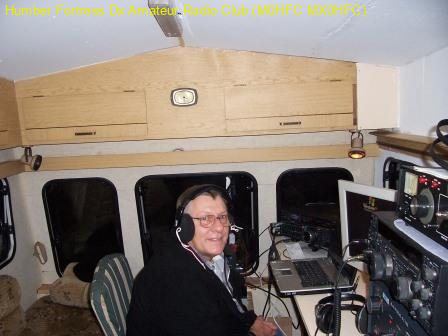
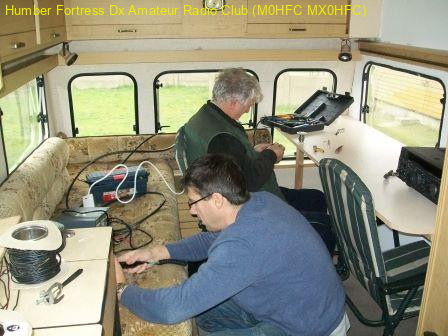
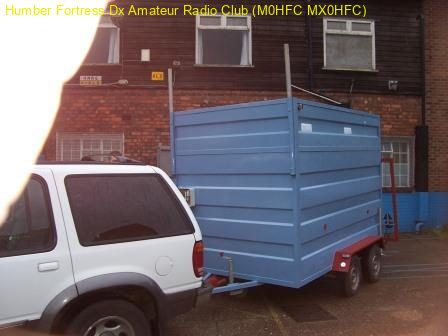
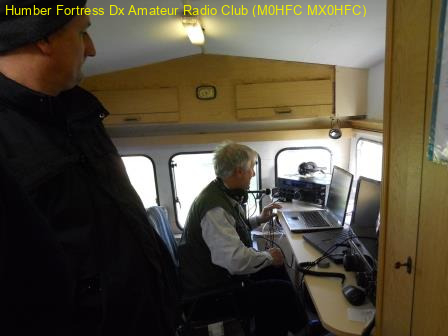
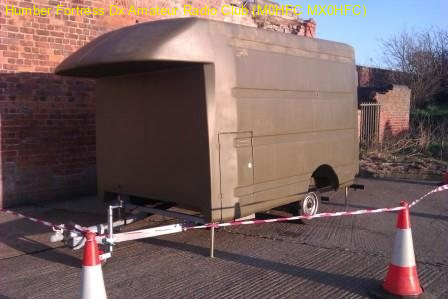
After two years, the BT trailer was sold on and replaced with a far more capable unit — a custom-built trailer originally designed and constructed many years earlier by Andy (G7LRR) and Bob (M0RWL) for another local radio club.
This trailer was stronger, better engineered, and far more suited to radio events.
When it became available for purchase, HFDXARC acquired it, instantly improving the club’s mobile operating capability.
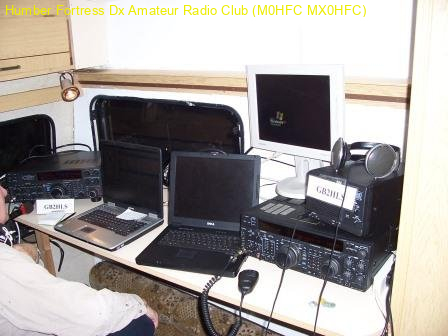
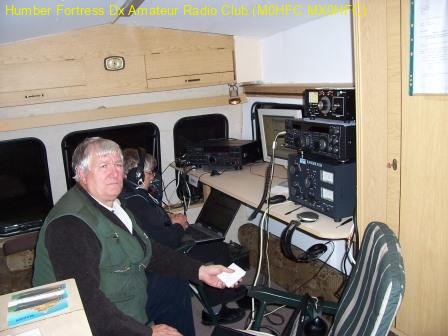
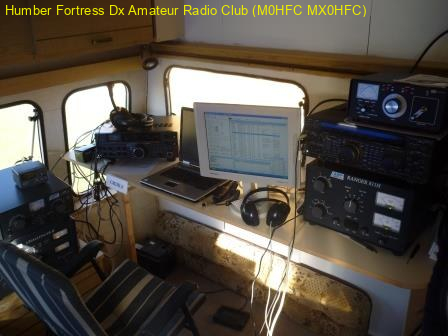
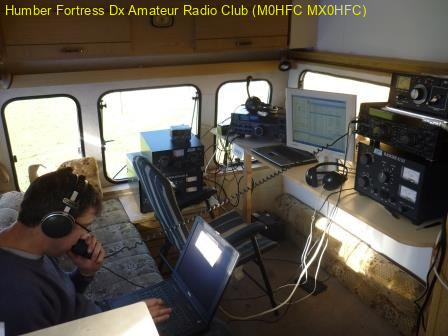
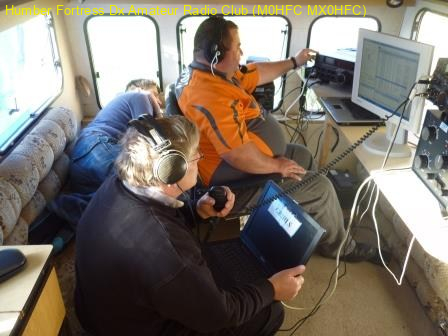
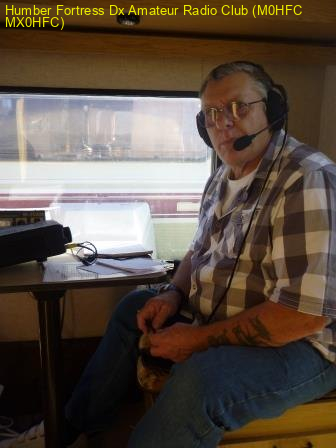
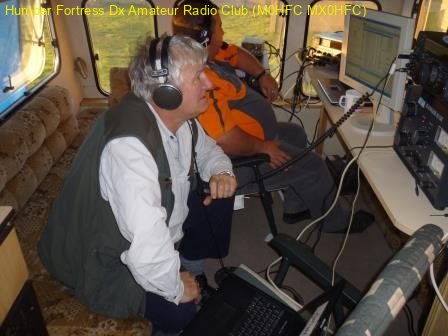
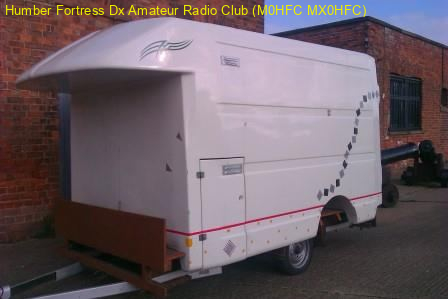
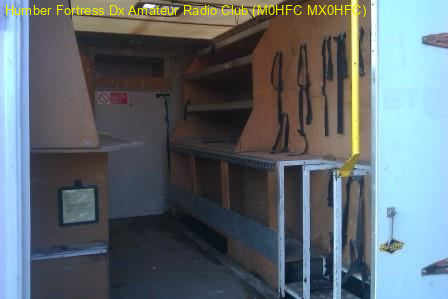
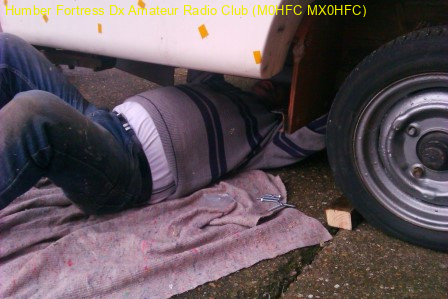
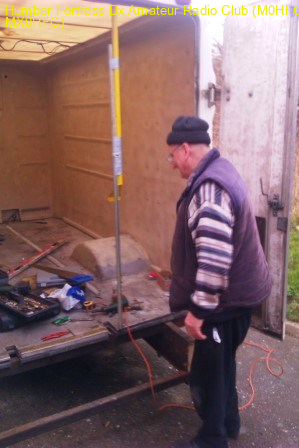
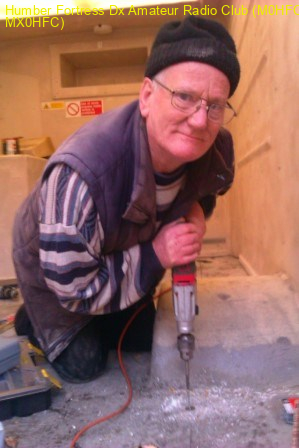
A Trailer Built for Amateur Radio
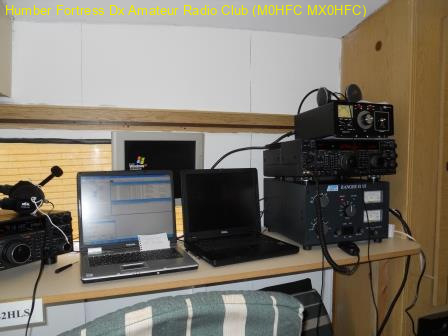
The custom Andy & Bob trailer featured:
a strong chassis and reinforced structure
a layout ideal for radio use
better stability for equipment
more space for operating positions
It became the club’s main mobile shack for years, supporting:
Fort Paull events
Spurn Lighthouse activities
training days
field events
early Patrington Mill storage
It was used right up until the COVID-19 pandemic, when activities slowed and the club began upgrading and reassessing its equipment.
Final Refit and Retirement
During the COVID period, the trailer was fully refitted and improved internally, but eventually the club outgrew it.
With contesting expanding rapidly and with The Beast under development, the club’s needs surpassed what the trailer could provide.
The trailer was sold on — following the tradition of reuse, recycling, and passing equipment forward — just like the BT trailer before it.
A Legacy of Ingenuity, Teamwork, and Progress
The story of the caravan, the BT trailer, and the custom Andy & Bob trailer represents more than equipment.
It reflects:
the club’s determination in its early years
the willingness of members to go far beyond the call of duty
the resourcefulness that defined HFDXARC engineering
the steady growth from simple mobile shacks to advanced contest infrastructure
the spirit of teamwork that made everything possible
These mobile shacks formed the foundation of the club’s portable operating heritage, paving the way for the engineering achievements that followed — including The Beast and the modern multi-operator contest setups at Patrington Mill.
They stand as a reminder that HFDXARC was built not with money, but with dedication, skill, and heart.
HFDXARC TRAINING & EXAM PROGRAMME
RSGB Trainers · Exam Centres · Member Successes
Training has always been one of the strongest foundations of the Humber Fortress DX Amateur Radio Club. From the earliest days at Fort Paull, the club became known for helping newcomers enter the hobby, supporting them through every stage of the licensing pathway, and offering a friendly and accessible route into amateur radio.
This commitment to education shaped the club’s growth and helped to build a thriving and active membership.
RSGB-Certified Trainers – The Team Behind the Exams
To deliver high-quality training, three core members travelled together to complete the RSGB “Train the Trainers” course. This ensured the club could provide structured lessons and official support for all licences.
The training team consisted of:
John Cunliffe – G6LNV
Bob Lane – M0RWL
John Baines – M0JBA
Their decision to qualify as official instructors transformed the club’s capabilities. Once certified, they became the backbone of the educational programme, guiding candidates through:
Foundation
Intermediate
Full licence exams
Their work helped dozens of people become licensed radio amateurs and played a vital role in the development and reputation of HFDXARC.
RSGB-Approved Exam Centres – Fort Paull & Cottingham
A major milestone in the club’s history was the approval of two official RSGB satellite exam centres, allowing HFDXARC to host examinations directly on-site.
Fort Paull – The First Exam Venue
Fort Paull became the club’s first approved exam centre. Its indoor rooms offered a quiet and controlled environment ideal for examinations. Many local operators took their very first amateur radio exam within the historic walls of the fort.
The approval demonstrated the RSGB’s confidence in the club’s organisation, standards, and commitment to training.
The Church in Cottingham – Second Exam Venue
To expand accessibility and accommodate growing demand, the club gained approval for a second exam centre at the Baptist church in Hull.
This additional venue allowed:
more frequent exam sessions
easier access for candidates outside the Fort Paull area
the ability to run sessions simultaneously
better flexibility for scheduling
Together, the two locations formed a strong and reliable training network, supporting candidates from across East Yorkshire.
Too Many Successes to List — But All Remembered
Over the years, far too many candidates passed their Foundation, Intermediate, and Full exams to list individually.
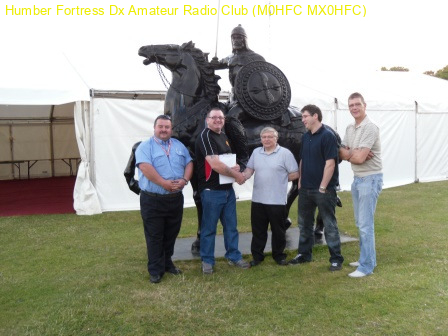
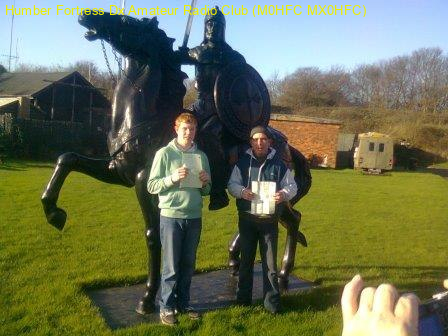
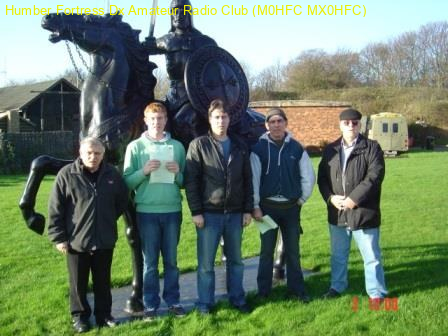
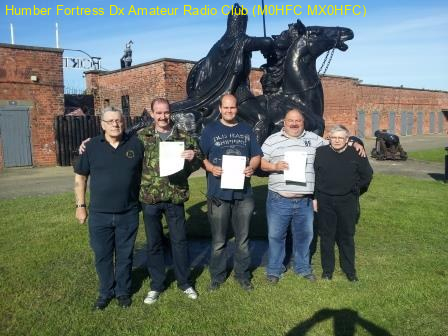
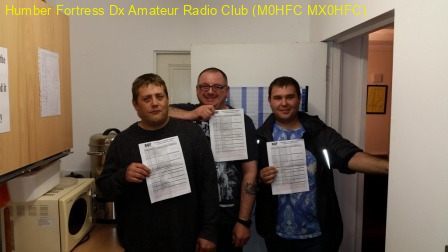
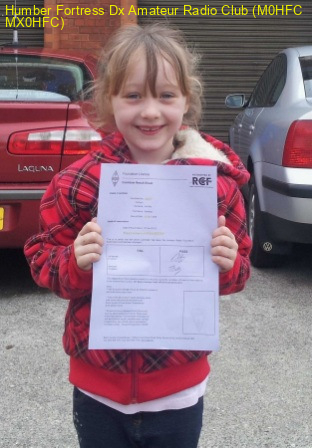
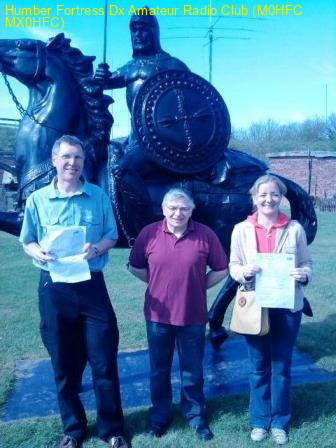
Many became active members, contest operators, or long-term supporters of the club. Others went on to enjoy amateur radio independently, but all remain part of HFDXARC’s extended history.
Exam days at Fort Paull became memorable occasions, often filled with excitement, nerves, and celebration as new operators received their results and call signs.
Some of the club’s proudest moments were captured in photos over the years, showing members smiling with their certificates — each one a reminder of the club’s impact.
SPURN POINT LIFEBOAT STATION
Through the connections and respected reputation of Syd M1COV (SK) — himself a former lifeboatman — the Humber Fortress DX Amateur Radio Club was granted a privilege almost unheard of in modern times: permission to operate from the Humber Lifeboat Station at Spurn Point. Access had not been granted to amateur radio groups for more than 20 years. Thanks to Syd’s long-standing relationship with the crew, the station welcomed HFDXARC.
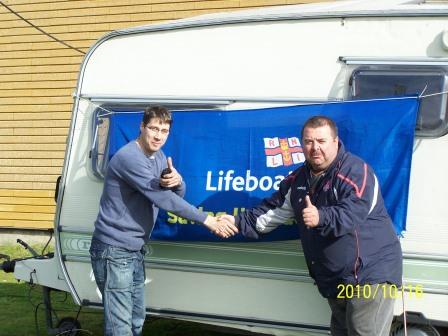
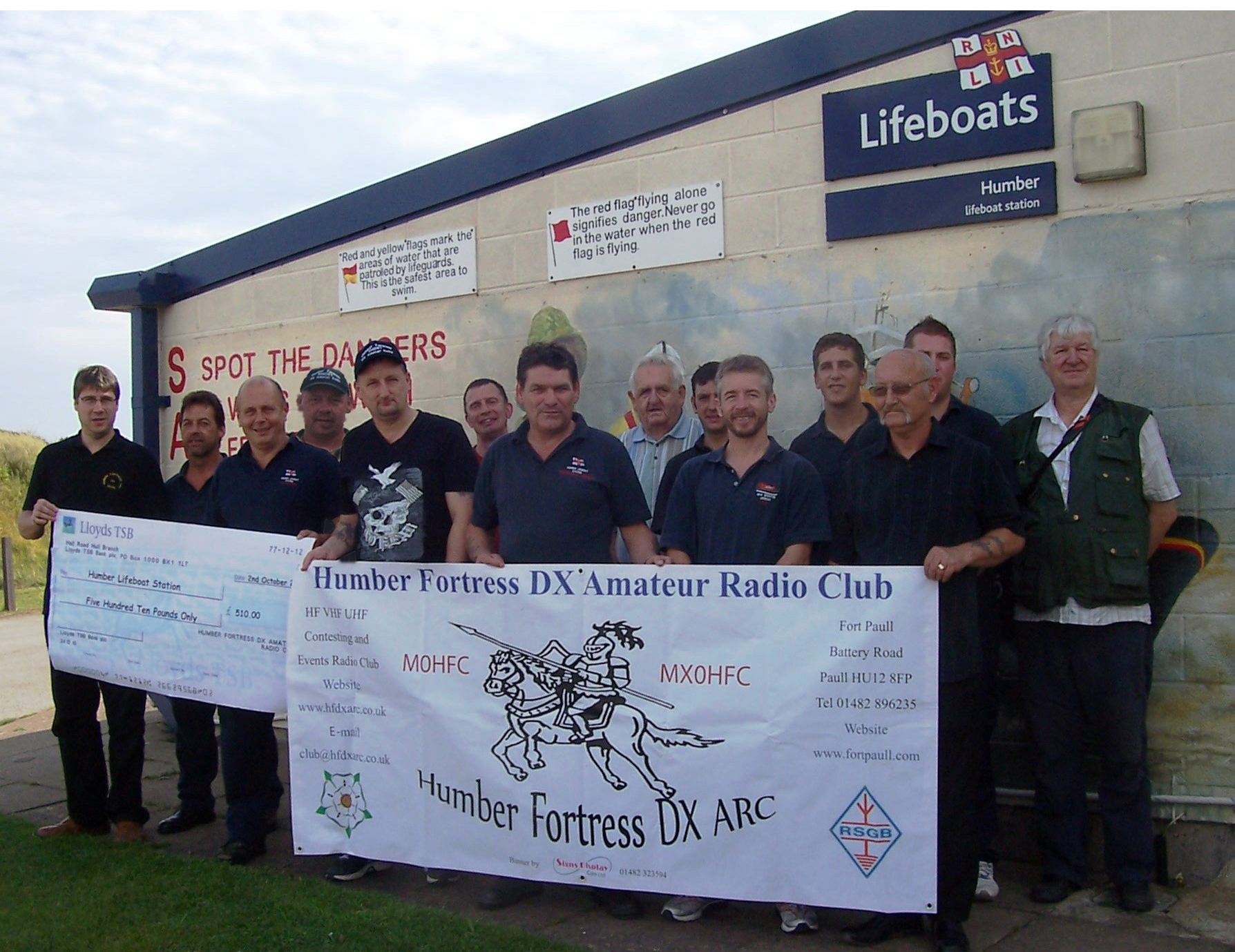
This connection led to a historic special event inside the lifeboat station for the Humber Lifeboat’s 200th anniversary — a once-in-a-generation moment. Operating from Spurn placed the club directly into the heritage of the Humber Lifeboat, the traditions of coastal rescue, and the legacy of one of the most respected RNLI stations.
Although Syd is now sadly SK, his contribution lives on through the rare access he secured, the friendships he built, the trust placed in HFDXARC, and the memories shared by all who participated. His legacy at Spurn remains one of the proudest parts of the club’s early story.
YORKSHIRE WILDLIFE TRUST & GB2SL
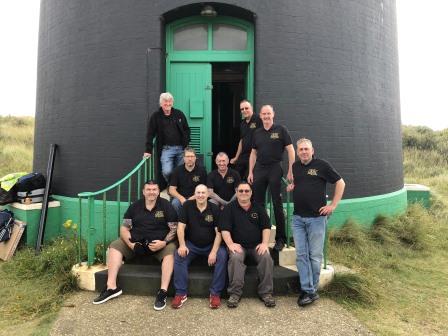
The club built a strong partnership with the Yorkshire Wildlife Trust (YWT), which opened the door to one of HFDXARC’s most iconic operating locations: Spurn Lighthouse. Through this relationship, the club was granted permission for the activation of Spurn Lighthouse as GB2SL, overnight stays for members — a rare privilege — and annual participation in ILLW. This partnership remains one of the most valued in the club’s history and continues to this day.
FAMILY VENUE & ANNUAL EVENTS
Fort Paull quickly became one of the region’s most engaging and family-friendly venues, and HFDXARC played an active role in many of its major annual events. These included WW2 re-enactments, car and truck shows, demonstrations inside the Blackburn Beverley XB259 aircraft (GB0BB), and the long-running Museum on the Air event (GB0FP).
Fort Paull was not just a radio location; it was a true family venue where members’ families spent entire days enjoying the events, exploring the museum, and sharing the atmosphere. This helped strengthen the club’s community spirit and remains a fondly remembered chapter.
YOUNGEST AMATEUR (2011)
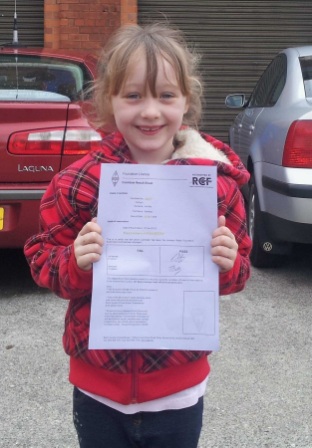
In 2011, the club helped a 5-year-11-month-old candidate pass the Foundation Licence exam. M6UKY became one of the youngest licensed amateurs in the UK and remains licensed today — a testament to the club’s commitment to youth and training.
COMMUNITY EDUCATION
During the Fort Paull years and beyond, HFDXARC became known for Foundation to Full training, youth outreach, Scout and Guide badge sessions, and public demonstrations. This commitment to education remains one of the defining strengths of the club.
DIY / BUDGET-BUILT ETHOS
From the beginning, HFDXARC embraced a “built, not bought” philosophy. Antennas, towers, fixtures, hardware, and engineering solutions were created in-house using member skill and ingenuity. This ethos allowed the club to achieve results equal to — and often better than — stations with far larger budgets.
FORT PAULL CLOSES – END OF AN ERA (2019)
Fort Paull closed permanently in 2019, ending a major chapter in the club’s history. The closure forced the club to find a new home quickly. This led to Patrington – The Mill, beginning a new era of engineering, contesting, and growth.
PATRINGTON MILL – HOW IT CAME ABOUT
When Fort Paull closed, the club needed open land, low noise, and room to grow. Discussions between Mike Wood (owner of the mill site), Bob M0RWL, and Andy G7LRR shaped the path forward. Patrington Mill offered freedom to build, room to expand, and an ideal contesting environment.
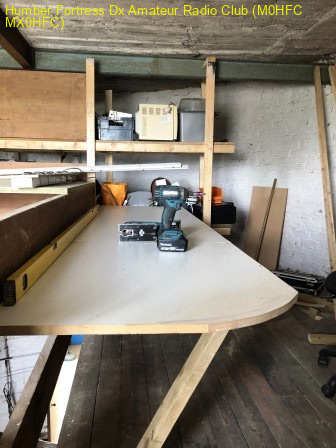
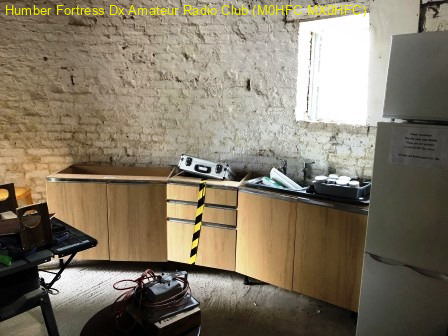
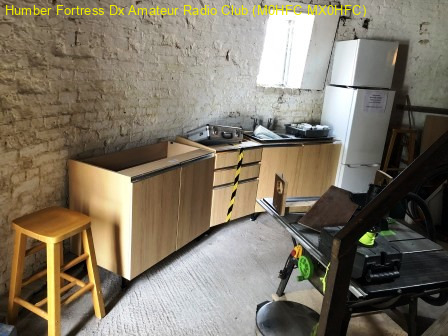
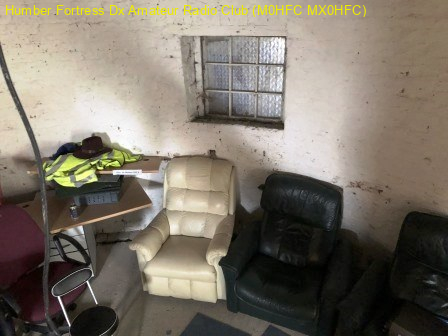
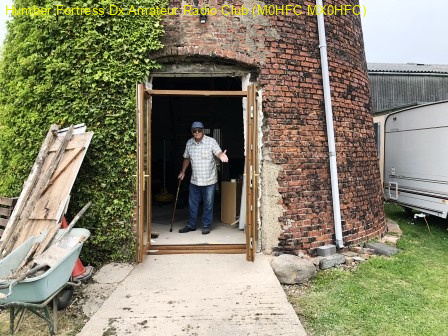
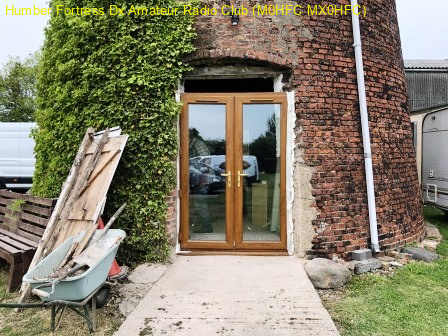
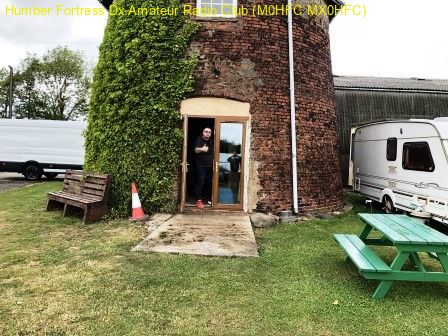
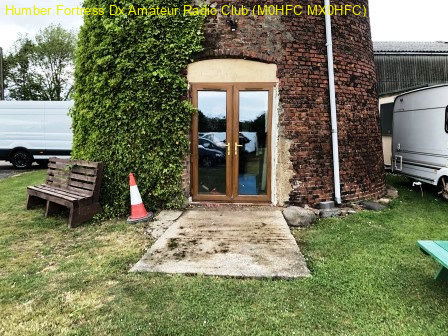
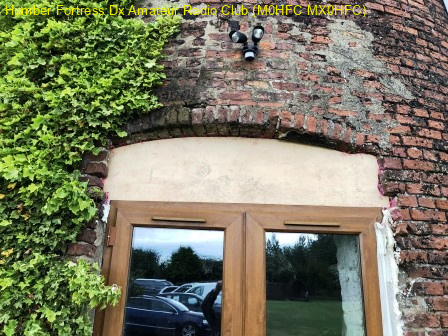
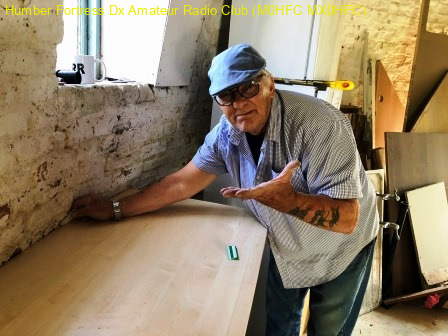
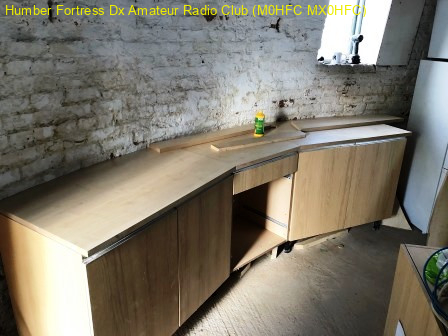
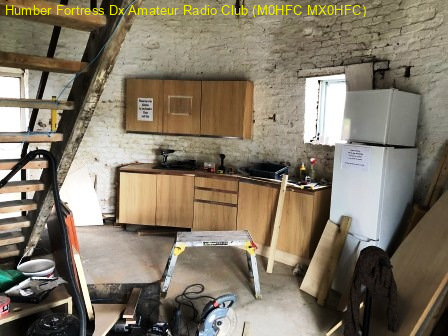
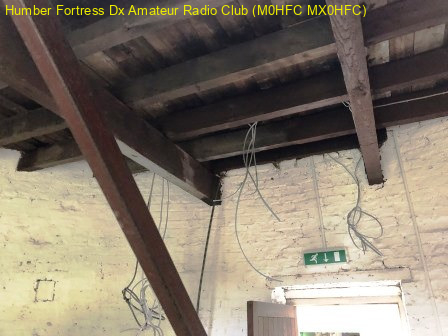
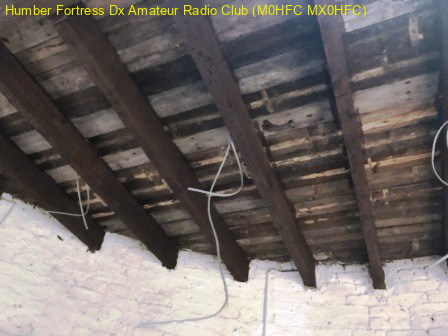
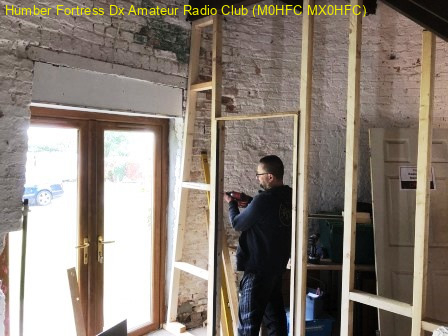
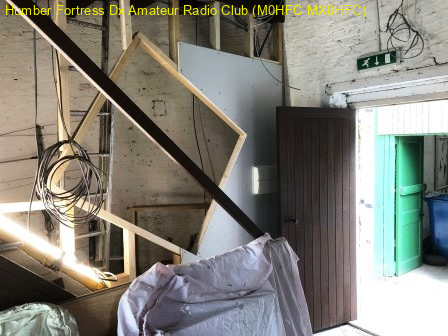
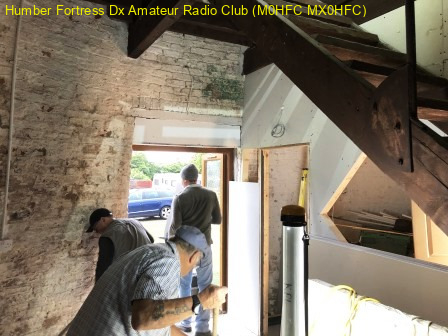
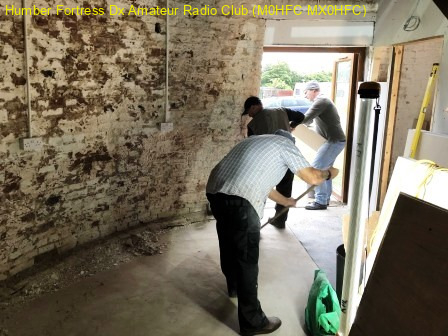
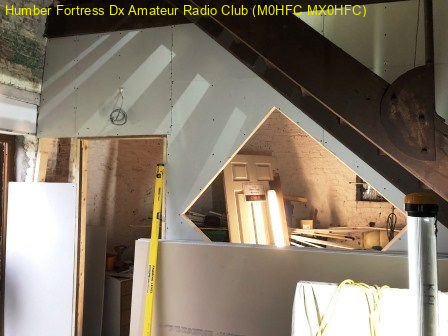
Mike Wood played a vital role by making the land available, supporting the club, and helping establish long-term plans. He was later recognised as an Honorary Member (2024). With full agreement, Patrington Mill became the new official home of HFDXARC.
The site allowed antenna testing, tower construction, the development of The Beast, and full multi-operator contesting. This move became one of the most important events in club history and laid the foundation for record-breaking achievements.
THE CONTESTING ERA (2020–2025)
The move to Patrington Mill marked the beginning of the club’s strongest contesting era. With open land, a very low noise floor, and no restrictions on building, HFDXARC developed into a serious multi-operator contest station capable of running several HF bands at once.
A major turning point in this era was the construction of The Beast, the club’s 55-foot trailer-mounted SCAM mast system. Built mainly by Andy G7LRR and Mike Wood, with help from club members, The Beast transformed the club’s contesting ability. It allowed the club to deploy large HF beams quickly, safely, and at full height, giving the team strong directional capability, better signal penetration, and significantly improved run rates. The Beast became the backbone of the club’s HF strategy and directly contributed to the club being able to compete with far larger and better-funded stations.
no images were found
During this period the club focused heavily on clean audio, controlled ALC, accurate logging, strict run-frequency discipline, and solid teamwork. Two members played key roles in shaping the modern contesting era: Kevin Sim M0KVK, who joined in 2012, became a dependable part of the contest team, and helped support operations, organisation, and newcomers during events; and Andy Weaver (2E1TAP), who joined in 2020, brought new energy and motivation to the team, helping raise ambitions and push standards higher.
The M6C contest team is made up of members and guests of the club from all over the UK, representing a wide network of operators who join the club during major events. This broadened contest team spirit helped strengthen the club’s operating style and brought new skills and experience into each event.
This era reached its peak during CQWW SSB 2025, when the club achieved 7,652 QSOs, 8,548,672 points, and 166 DXCC worked — the highest contest score in the club’s history. The contesting era at Patrington Mill continues to this day, supported by The Beast, strong teamwork, and a commitment to improving performance year after year.
FIRST EVER HFDXARC RADIO RALLY (2025)
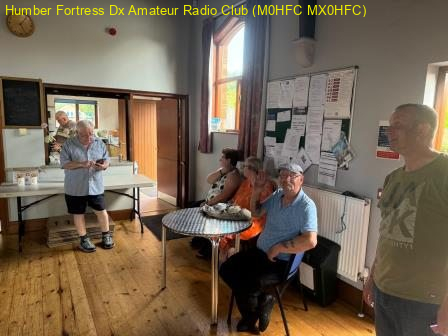
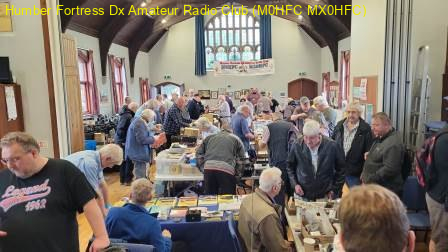
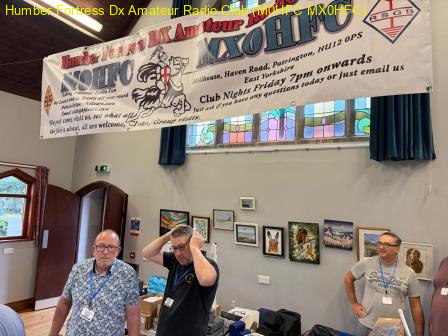
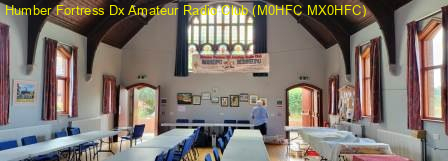
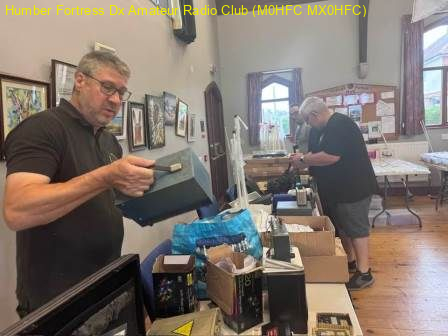
The first HFDXARC rally took place at Welwick Village Hall on 19 July 2025, marking a major milestone and the start of a new annual tradition.
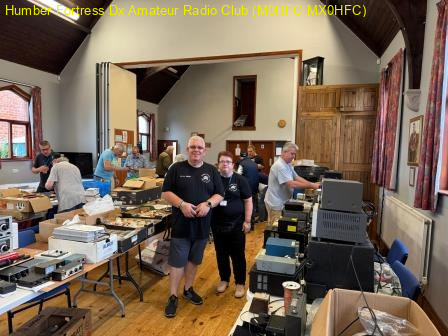
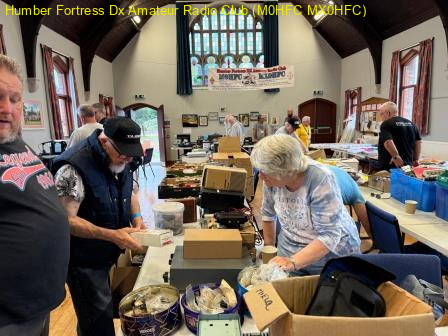
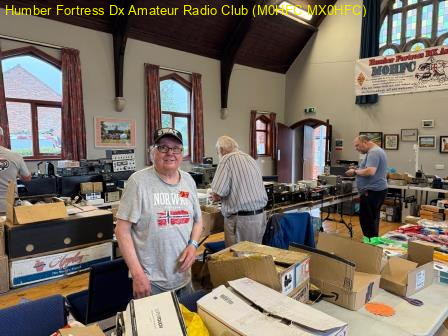
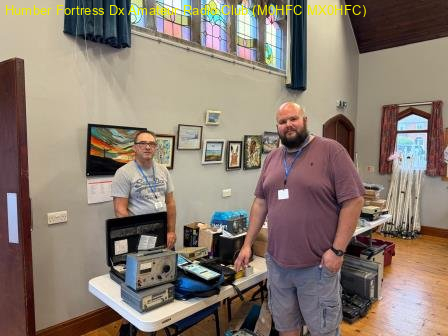
Chris Turnbull – G0URG (Acting Chairman)
Charles Roden-Rodes – M7PNP (Acting Vice Chairman)
Sue M6URG (Acting Club Secretary)
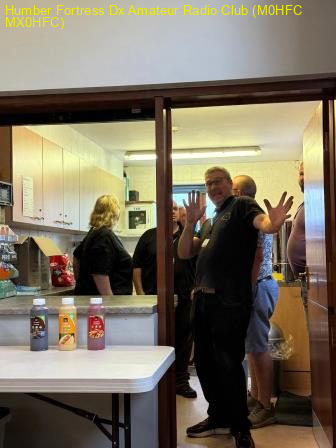
Jo Wood, Acting QSL Manager, and Charlie Store 2E0CIK head up the catering team, with many members supporting Charles and Chris and helping with village hall logistics.
Ernie G4LUE (joined the club in 2024) contributed experience and trader contacts.
All members pulled together, helping with catering, setup, equipment, displays, demonstrations, parking, visitor support, promotion, and cleanup — a perfect example of club teamwork. The rally featured traders, demonstrations, engineering displays, and a family-friendly atmosphere.HONORARY PRESIDENT (2024) John Cunliffe – G6LNV HONORARY MEMBERS Andy Nielsen – G7LRR
Bob Lane – M0RWL
Mike Wood
Dennis – G1EYY (since 2010)
HFDXARC TODAY Today the club stands as a hands-on amateur radio team, a fully self-built engineering group, a competitive contest station, and a community-focused organisation — remaining true to its founding vision of events, contesting, outdoor radio, and “built, not bought,” and maintaining a family-friendly atmosphere.
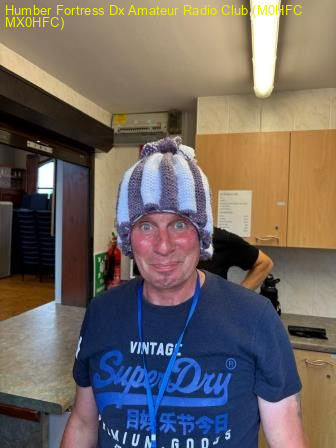
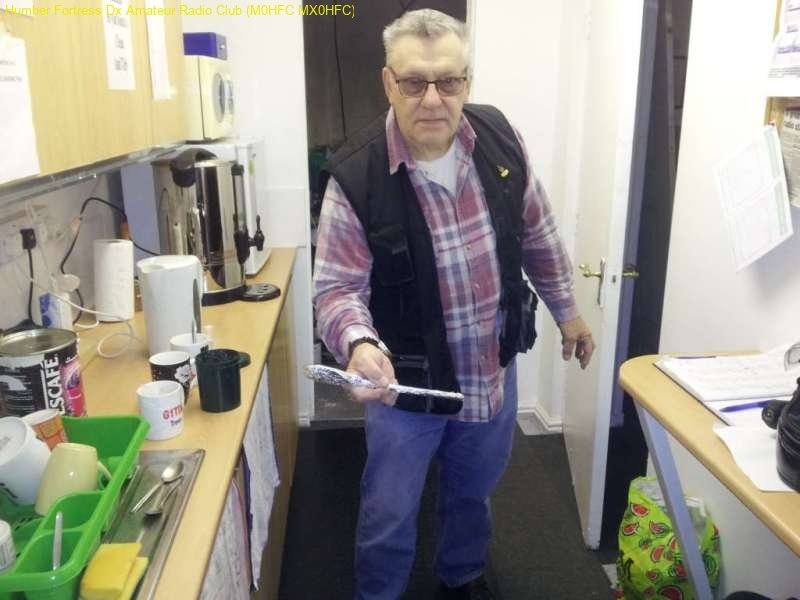
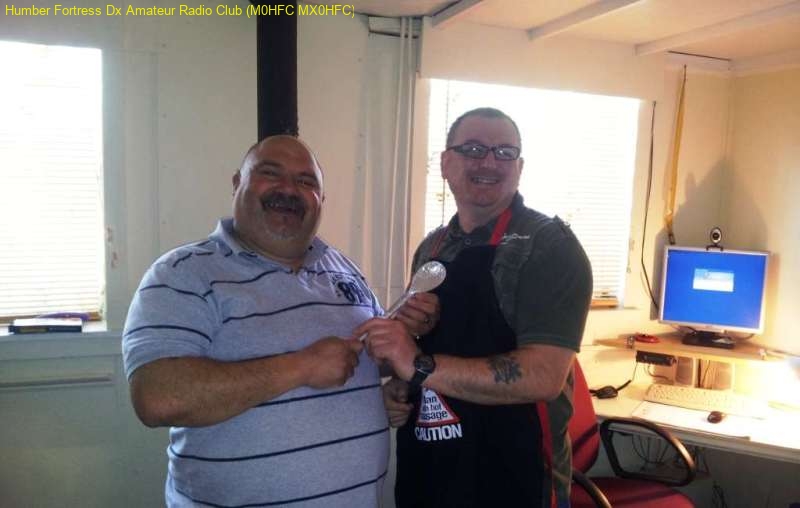
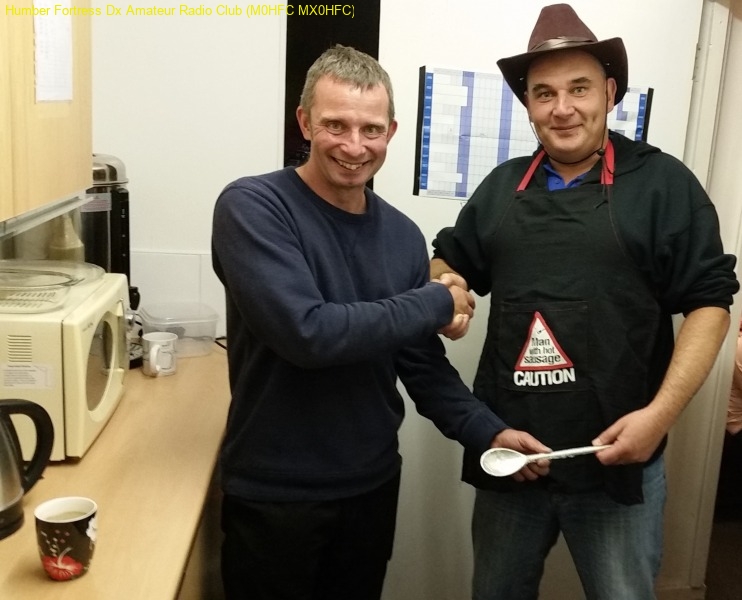
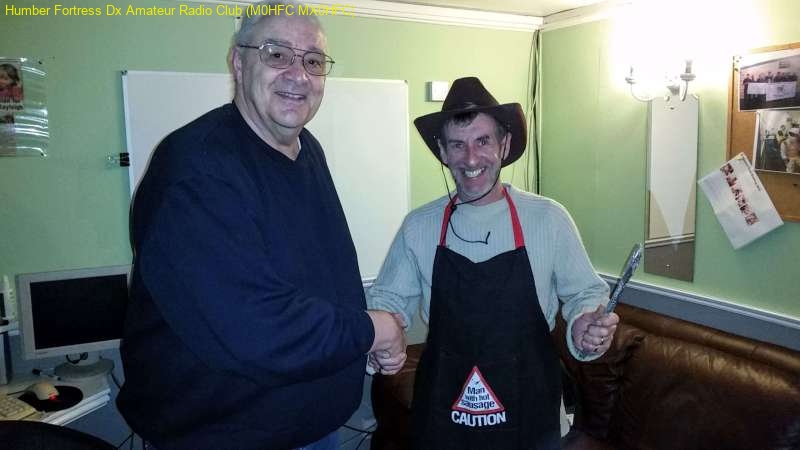
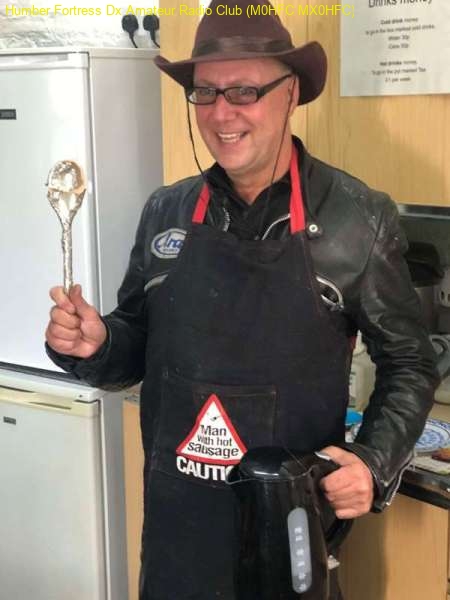
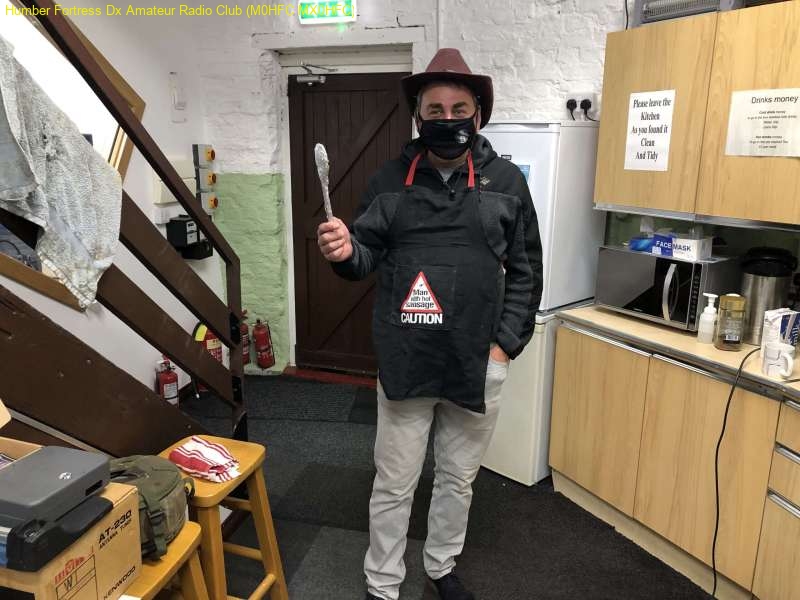
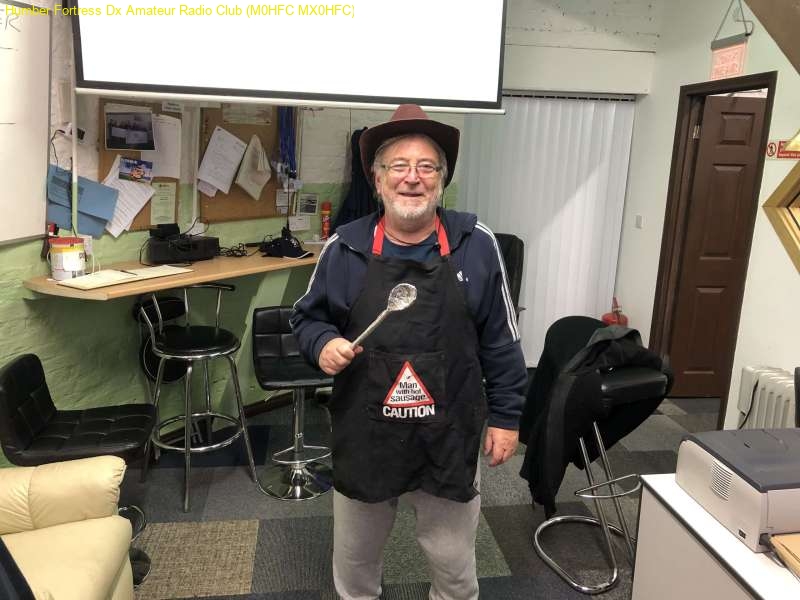
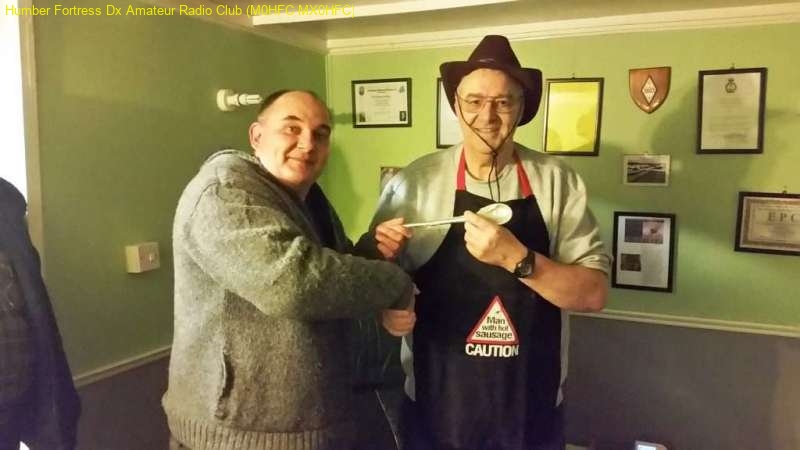
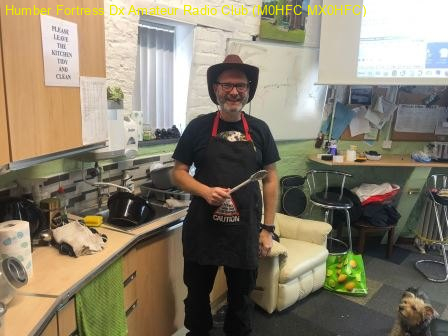
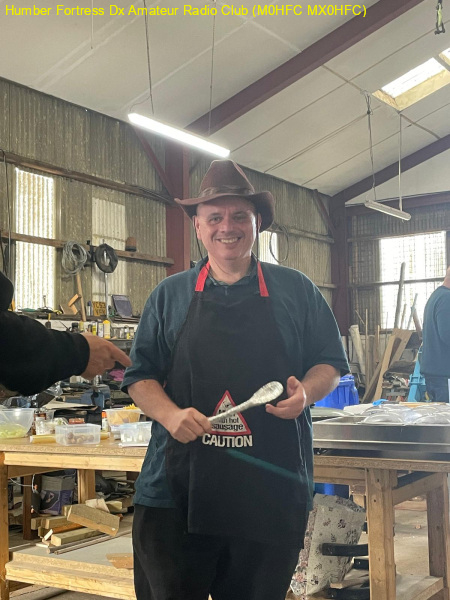
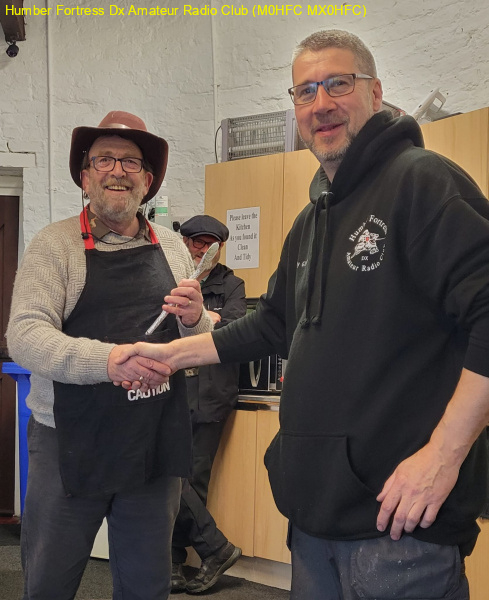
The HFDXARC Tea Boy Tradition A Unique Ritual of Membership, Humour, and Club Culture (2010–Present) Among the many long-standing customs within the Humber Fortress DX Amateur Radio Club, none is more iconic — or more uniquely ours — than the Tea Boy tradition. What began in the early days of the club at Fort Paull in 2010 soon became one of the most recognisable rituals within HFDXARC. It symbolised not only humour and camaraderie, but also the warm welcome given to every new member who walked through the door.
A Final Word of Thanks
There is so much history behind this club — far more than can ever be written in a single document — and so many members who have contributed over the years. There are too many names to list individually, but every one of you has played an important part in helping the Humber Fortress DX Amateur Radio Club become what it is today. To all of you: thank you.You know who you are, and you should be incredibly proud of what we have built together — from the ground up — and everything we have achieved so far. We invite you to look through the full website. On the right-hand side you will find our archives, sorted by years and months, containing posts, events, activations, and memories stretching back many years. Please explore, read, and enjoy the history you helped create. And we are sure this page will grow over time. On behalf of the Humber Fortress DX Amateur Radio Club,
thank you for being part of our journey — and we hope to catch you on the airwaves.